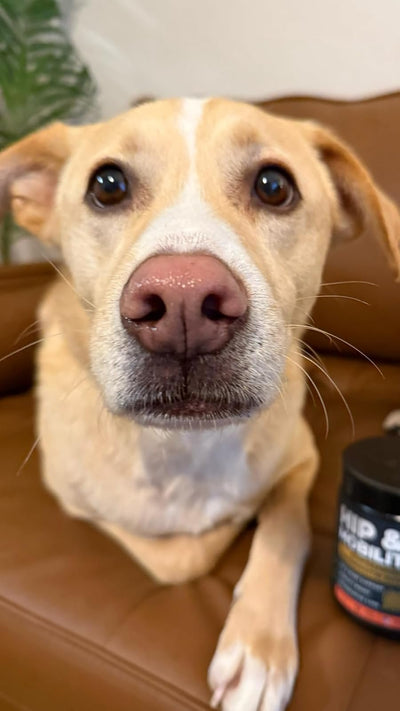
Every spring, dog owners ask some version of the same question: why does it feel like my dog is shedding an entire second dog's worth of fur, and why does it never seem to fully stop? The timing isn't random. There's a biological trigger behind the April spike, and understanding it changes how you manage the mess — and how long you should expect it to last.
Brushing helps, but it's treating a symptom. The coat cycle itself is driven by light, temperature, and what's happening underneath the skin. If you're still finding tufts of undercoat in the corners of your house months later, it's worth looking at the whole picture, not just the brush.
Why does shedding peak in April?
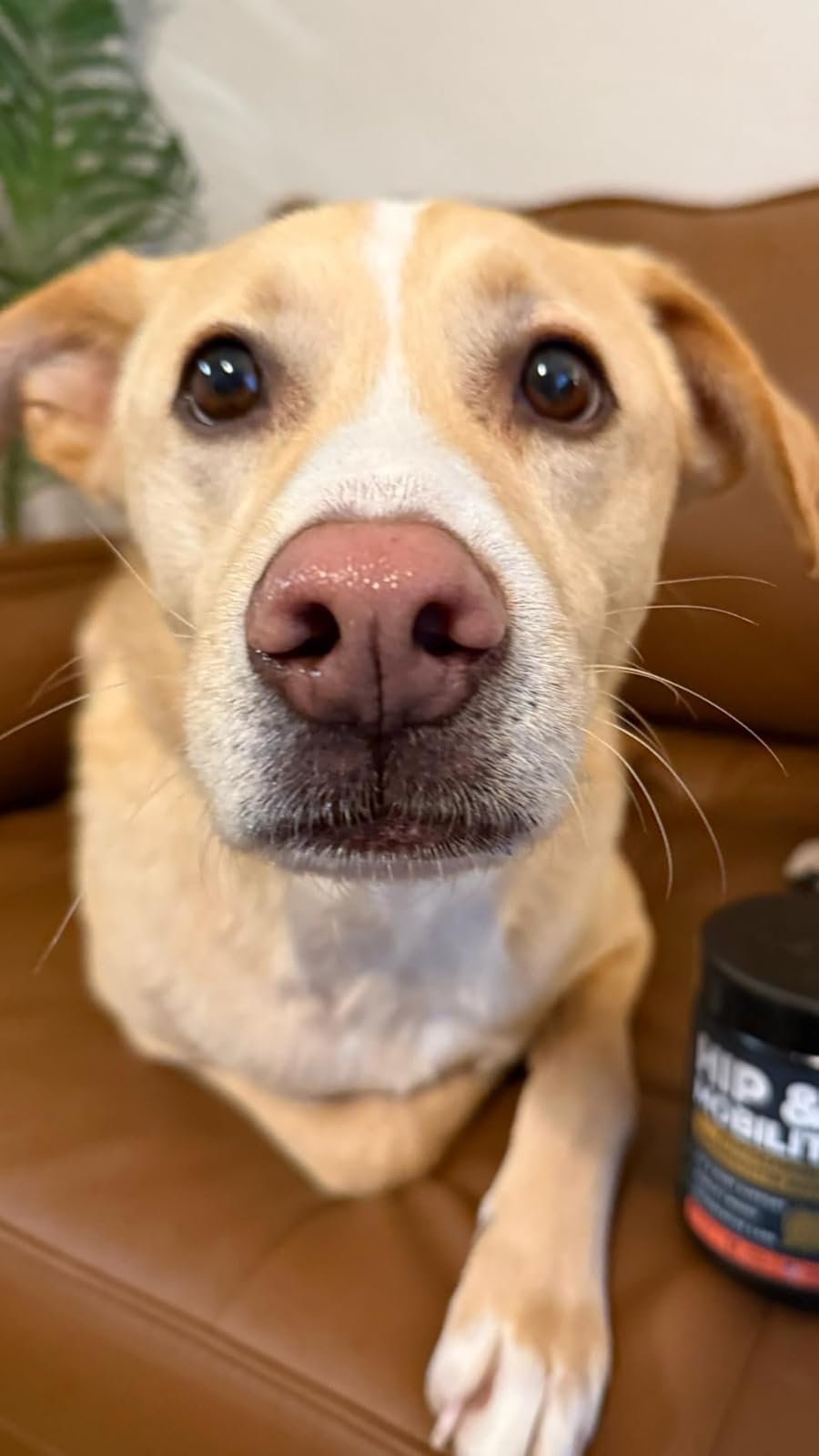
Dogs don't shed on a fixed calendar so much as in response to environmental cues. The two biggest are daylight length and ambient temperature, both of which shift fastest in early spring across most of the U.S.
The photoperiod trigger
A dog's coat cycle is regulated in part by melatonin, which responds to day length. As days lengthen through March and April, that hormonal shift signals follicles to release the thick winter undercoat and begin growing a lighter summer coat. This is why indoor dogs under artificial light sometimes shed more evenly year-round — their photoperiod cues are muddier — while dogs with more outdoor exposure tend to have a sharper, more concentrated spring blowout.
Double coats vs. single coats
Breeds with a true double coat — Huskies, Labs, German Shepherds, Corgis, many mixed breeds — carry a dense undercoat built for insulation. When that undercoat releases all at once, it's dramatic and can look alarming even though it's completely normal. Single-coated breeds (Greyhounds, Poodles, many terriers) shed more consistently and rarely show this seasonal spike. If you're not sure which category your dog falls into, that alone explains a lot about why your neighbor's dog barely sheds while yours seems to be losing fistfuls.
The blowout itself typically lasts two to four weeks, but the elevated shedding tail can stretch into early summer, especially for dogs who aren't getting help moving the process along.
Managing heavy shedding beyond brushing
Brushing removes what's already loose — it doesn't change how the follicle behaves. A few things do:
- Consistency over intensity. Five minutes daily during peak season clears more fur, more comfortably, than one long weekly session that pulls on tangled undercoat.
- The right tool for the coat type. An undercoat rake reaches the dense layer double-coated breeds are releasing; a slicker brush mostly moves surface fur around.
- Hydration and skin condition. A dry, flaky skin barrier sheds more and regrows more slowly. This is the piece most owners skip, and it's often the one with the biggest payoff.
Coat quality is built from the inside. Biotin, zinc, and a handful of other micronutrients support keratin production — the structural protein that makes up hair — while a healthy gut microbiome affects how efficiently a dog absorbs those nutrients in the first place. This is one reason a lot of owners land on a daily multivitamin with biotin and probiotics built in as a low-effort way to support the coat cycle alongside regular brushing, rather than relying on brushing alone to solve a nutrition-adjacent problem.
When shedding points to something else
Not every heavy-shedding dog is just going through a normal seasonal cycle. Self-grooming plays a bigger role in coat maintenance than most owners realize, and anything that makes a dog less willing or able to groom itself — stiffness, joint pain, reduced flexibility — can leave loose undercoat sitting in the coat longer than it should, making shedding look worse than it actually is.
This shows up most in older dogs and larger breeds, who may simply stop twisting around to reach their hips, tail base, or back legs the way they used to. If your dog has slowed down on the stairs, hesitates before jumping into the car, or seems less interested in the self-grooming sessions they used to do on their own, mobility may be part of the shedding picture. Joint support chews with glucosamine, chondroitin, and turmeric are worth a look in that scenario — not as a shedding fix, but as support for the comfortable movement that keeps a dog grooming itself the way it always has.
What to watch for: occasional shedding is normal, but bald patches, red or inflamed skin, sores, excessive scratching, or fur coming out in clumps unrelated to petting or brushing are not. These can point to allergies, parasites, a thyroid or hormonal imbalance, or a skin infection — conditions that look like "bad shedding" on the surface but need a vet's diagnosis, not a better brush. If shedding is accompanied by weight change, lethargy, or a dull, brittle coat that doesn't improve over several weeks, it's time to call your vet rather than wait it out.
Frequently asked questions
How long does spring shedding last?
Most dogs blow their coat over two to four weeks, though the tail end of elevated shedding can run six to eight weeks depending on breed, climate, and how much help the coat gets along the way.
Why does my dog shed all year, not just in spring?
Indoor dogs exposed mostly to artificial light get weaker seasonal light cues, which can flatten the sharp spring spike into a more constant, lower-level shed throughout the year.
Does bathing help with shedding?
A bath with a deshedding shampoo, followed by thorough drying and brushing while the coat is damp, can loosen and remove undercoat that dry brushing alone leaves behind. Over-bathing, though, can dry out skin and make shedding worse.
Can diet actually change how much a dog sheds?
Diet won't stop the seasonal cycle, but nutrient gaps — particularly in biotin, zinc, and omega fatty acids — can make shedding heavier and regrowth slower. Addressing those gaps typically improves coat texture within a few weeks, not overnight.
Is it normal for shedding to look worse as my dog gets older?
It can be. Senior dogs often groom themselves less due to stiffness or reduced flexibility, which lets loose fur accumulate rather than shed off naturally. It's worth mentioning to your vet if it's a new change.
— Megan & the Pup Choice team