If you've walked outside barefoot in August, you already know the answer to why your dog is suddenly hopping across the driveway instead of walking. Pavement doesn't just reflect summer heat — it absorbs and holds it, often reaching temperatures 40-60°F hotter than the air around it. Add in dry, cracked pads from weeks of heat exposure and the sharp debris that collects on trails this time of year, and late summer turns out to be one of the toughest stretches for a dog's feet.
Here's what's actually happening to your dog's paws right now, and the small habits that make a real difference before fall brings relief.
The seven-second sidewalk test
Before a walk, press the back of your hand — not your palm, which is less sensitive — flat against the pavement and hold it there. If you can't keep it there comfortably for seven seconds, the ground is too hot for your dog to walk on.
This test matters more than checking a weather app, because air temperature and surface temperature aren't the same thing. Asphalt and concrete absorb solar radiation all day and release it slowly, which is why a sidewalk can stay dangerously hot well into the evening even after the air has cooled. Dark surfaces (asphalt, artificial turf, black rubber mats) run hotter than light-colored concrete or grass.
The safest windows for a walk in late summer are early morning, before the sun has had time to heat the ground, or after sunset once surfaces have had a chance to release the day's heat. If you have to walk midday, stick to grass, dirt trails, or shaded routes whenever possible.
Why paws take extra abuse this time of year
Heat and friction
Paw pads are tough, but they're not immune to burns. Prolonged contact with hot surfaces can cause blistering, discoloration, or peeling — injuries that are easy to miss under fur and thick pad skin until they're already painful. Friction from running on hot, hard surfaces makes it worse, since heat softens the pad tissue slightly and makes it more prone to abrasion.
Dry, cracked pads and trail debris
Late summer is also peak season for dry, split pads, especially in dogs who spend a lot of time on hot sand, dried-out trails, or chlorinated pool decks. Cracks aren't just uncomfortable — they're an entry point for bacteria.
On top of that, this is prime season for foxtails, burrs, and thorny seed heads, particularly in the western and midwestern U.S. These barbed plant awns work their way between toes and into pads, and unlike a splinter, foxtails don't back out — they migrate inward, which is why they're a common cause of sudden limping after a trail walk.
Simple habits that help for the rest of summer
A quick 30-second paw check after every walk catches most problems before they become serious. Spread each toe and look for redness, swelling, embedded debris, or matted fur balled up with sap or burrs. Trimming the fur between paw pads keeps debris from catching in the first place and helps you actually see the skin underneath.
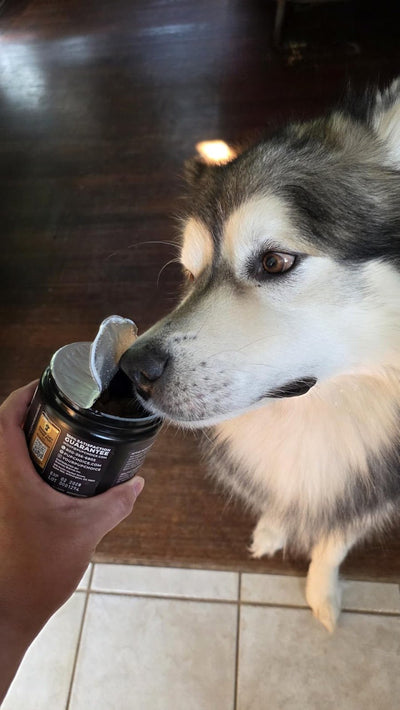
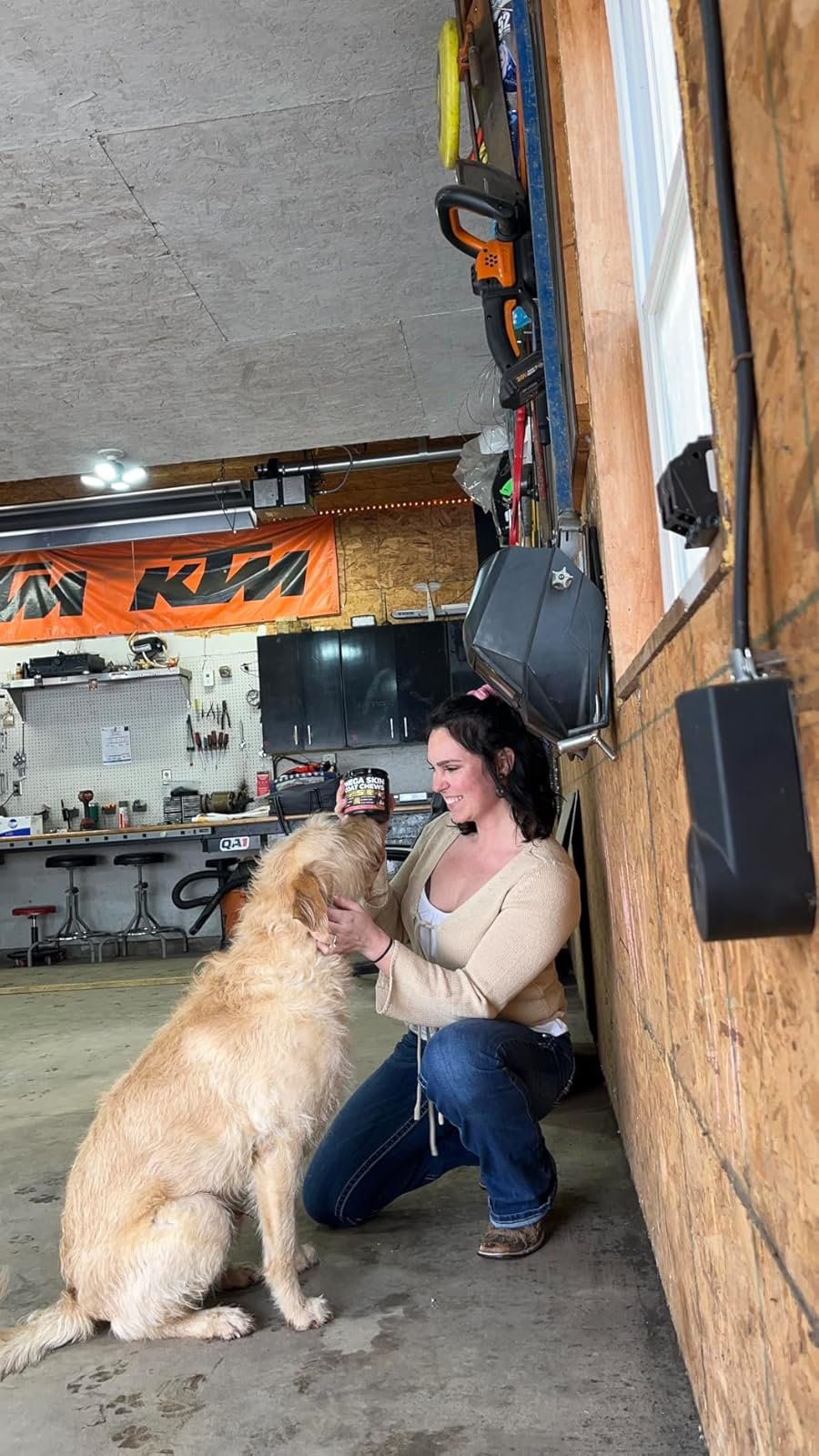
Nutrition plays a role too, particularly for skin barrier resilience. Paw pads are essentially thickened skin, and dogs prone to chronic dryness or cracking often benefit from consistent support for skin and coat health — biotin and omega fatty acids are the two nutrients most commonly associated with skin barrier function, which is one reason they show up together in a daily multivitamin formulated to support skin, coat, and joint health alongside probiotics and glucosamine.
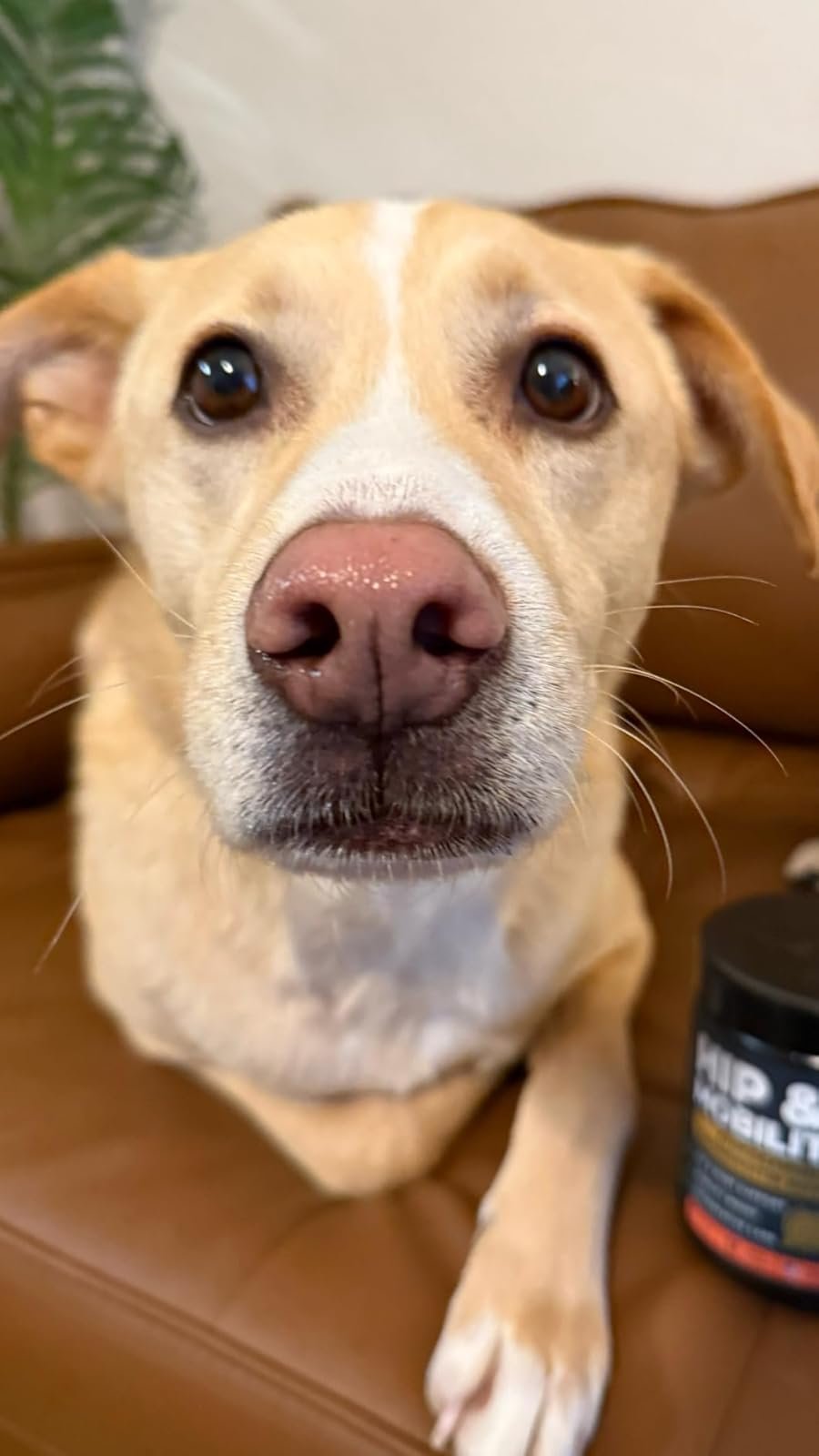
If your dog is putting in more trail miles than usual this season — chasing the cooler morning hours with longer hikes — it's also worth paying attention to how they're recovering afterward. Dogs that are stiff or slow to get moving the next day, especially older or larger-breed dogs, may benefit from ongoing joint support built around glucosamine, chondroitin, and turmeric to help them keep pace through the rest of hiking season.
When to call your vet
Most paw irritation resolves with rest and a few days off hot surfaces. But some signs point to something that needs professional attention: limping that doesn't improve within a day, visible blistering or peeling pad skin, a paw that's hot to the touch or swollen, persistent licking or chewing at one specific paw, or a wound that isn't closing. Foxtails and other embedded debris are also a vet-visit situation if you can't remove the entire piece yourself — a partial removal can leave material that continues working deeper into the tissue and cause an abscess days or weeks later.
Frequently asked questions
How hot does pavement have to be to burn a dog's paws?
Veterinary sources generally cite asphalt as unsafe for paw contact once it reaches around 125°F, which can happen when the air temperature is only in the mid-80s. The seven-second hand test is a faster, more reliable check than relying on air temperature alone.
Can a dog's paw pads heal on their own after a minor burn?
Mild surface irritation often improves in a few days with rest and keeping the paw clean and dry. Blistering, open cracks, or peeling skin should be evaluated by a vet, since paw pads are slow to heal and prone to infection if left untreated.
How do I get a foxtail out of my dog's paw?
If you can clearly see the entire awn and it hasn't migrated under the skin, it can sometimes be removed with tweezers. If your dog is limping, licking obsessively at one spot, or you can't confirm the whole piece came out, see a vet — foxtails move inward and can cause deep infections.
Do dog boots actually help with hot pavement?
Well-fitted boots can protect against both heat and debris, though many dogs need time and positive reinforcement to tolerate them. Booties aren't a substitute for avoiding the hottest pavement during peak hours, but they're a reasonable option for dogs who need to walk during the day regardless.
Why are my dog's paw pads suddenly dry and cracking in late summer?
Cumulative exposure to hot, abrasive surfaces over the summer — combined with chlorinated pools, saltwater, and dry trail dirt — strips moisture from paw pads faster than it's replaced. Dogs with already-sensitive skin or nutritional gaps in skin-barrier support tend to show cracking earlier in the season than others.
— Megan & the Pup Choice team