August has a reputation among veterinary dermatologists—not for pumpkin spice or back-to-school sales, but for a spike in itchy-dog appointments. If your pup has been scratching at the belly, chewing their paws, or shaking their head more than usual, you're seeing a very seasonal pattern play out. It's not one thing—it's usually three things stacking on top of each other at once.
Here's what's actually happening beneath the fur, and what's worth watching versus what's worth a call to your vet.
Why late summer is peak season for itchy skin
Three environmental stressors converge in August, and most dogs are dealing with all of them simultaneously.
Heat and humidity break down the skin barrier
Warm, humid air keeps skin damp longer after walks, swims, or just lying in the yard. That moisture creates a friendlier environment for the yeast and bacteria that live on your dog's skin normally, and in small numbers, harmlessly. Give them a persistently warm, damp environment, and populations can climb, especially in skin folds, ears, and paw webbing. The result often looks like redness, a musty odor, or greasy patches rather than obvious sores.
Grass pollen and dried lawn residue
Late-summer grasses (and the weeds that thrive alongside them) are still releasing pollen well into August in many regions. Dogs pick it up on their belly, legs, and paws simply by walking or lying on the lawn, and because they're in near-constant contact with grass, that exposure is more direct than what triggers seasonal allergies in people. Add sweat and saliva to the mix, and a dog can develop contact irritation even without a true pollen allergy.
Pool chemicals and lake water leave residue behind
End-of-summer swimming brings its own skin stress. Chlorine strips natural oils from the coat and skin, leaving skin drier and more prone to irritation, especially with repeat exposure over a season. Lake and pond water carries a different set of culprits: algae, bacteria, and organic debris that can cling to fur and irritate skin that's already compromised from heat or allergens.
The common denominator in all three triggers is the skin barrier. Heat, pollen, and pool or lake chemicals all wear it down in different ways, and a compromised barrier lets irritants penetrate more easily, which is why symptoms often seem to worsen as August goes on rather than staying steady.
What you can do at home
A few habits go a long way toward giving irritated skin a chance to recover before the next exposure.
- Rinse after every swim or lawn session. A quick rinse with plain water removes chlorine, pollen, and lake residue before it has time to sit on the skin.
- Dry thoroughly, especially skin folds and paws. A towel or low-heat dryer in the underarms, belly, and between the toes removes the damp environment that yeast and bacteria favor.
- Wipe down paws after walks. Paws pick up the most pollen and lawn residue of any part of the body, and dogs transfer it to their belly and face by lying down or licking.
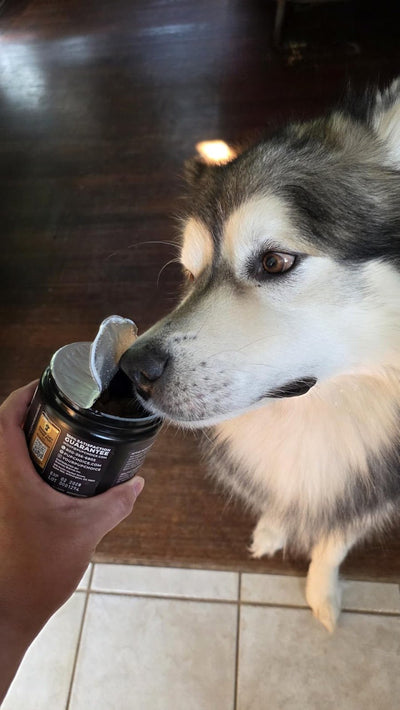
- Support the skin barrier from the inside. Skin that's well-nourished tolerates environmental stress better. Some owners find that an omega-3 supplement formulated for skin barrier support helps maintain resilience during high-exposure months like this one, particularly for dogs who swim or spend a lot of time outdoors.
- Don't overlook the gut-skin connection. Skin health and digestive health are more linked than most people expect, since a balanced gut microbiome plays a role in regulating inflammation throughout the body. A daily probiotic chew with prebiotics and digestive enzymes can be a simple addition alongside topical care.
When to call your vet
Occasional scratching after a swim or a roll in the grass is normal. But some signs point to something that needs professional attention rather than home care:
- Open sores, scabs, or hair loss in a specific spot
- Skin that's hot, swollen, or has a strong odor (a sign of possible infection)
- Constant scratching that disrupts sleep or normal activity
- Symptoms that don't improve after a week of rinsing, drying, and reducing exposure
- Swelling around the face, or scratching accompanied by vomiting or lethargy
Hot spots in particular can go from a small irritated patch to a larger, infected area within a day or two, so don't wait on those. Your vet may recommend a medicated shampoo, an anti-itch treatment, or an allergy workup if the pattern repeats every year.
Frequently asked questions
Why does my dog scratch more in late summer specifically?
Late summer combines three stressors at once: heat and humidity that encourage yeast and bacteria on the skin, lingering grass and weed pollen, and residue from pool or lake swimming. Each one compromises the skin barrier a little, and together they add up to more visible itching than any single trigger would cause alone.
Is it normal for dogs to scratch after swimming?
A little scratching or shaking after a swim is normal as your dog dries off. Persistent scratching hours later, or redness in the armpits and belly, suggests chlorine or lake residue is irritating the skin and a rinse-and-dry routine should be part of the swim ritual going forward.
Can grass allergies in dogs get worse as summer goes on?
Yes. Repeated exposure to grass and pollen throughout the season can leave skin increasingly reactive, especially once the barrier is already stressed by heat and moisture. Some dogs who tolerate grass fine in June are visibly itchier by August for exactly this reason.
What's the difference between a hot spot and normal irritation?
Normal irritation tends to be mild redness or occasional scratching that resolves with rinsing and drying. A hot spot is a localized, often rapidly worsening patch that's wet, red, and sometimes odorous, usually from a dog scratching or licking one area until the skin breaks. Hot spots typically need veterinary treatment rather than home care alone.
Do supplements actually help with seasonal skin flare-ups?
Supplements aren't a substitute for addressing the underlying trigger (heat, pollen, or pool and lake exposure), but nutritional support can help the skin barrier stay more resilient against environmental stress. Omega-3s and a balanced gut microbiome are two of the more well-supported nutritional angles for skin health in dogs.
Late summer is a short window, and most of these flare-ups calm down once temperatures drop and swim season winds down. In the meantime, a rinse-dry-support routine handles most everyday itchiness—just keep an eye out for anything that looks like it's turning into a hot spot or infection.
— Megan & the Pup Choice team