By August, a dog’s paws have usually been through a lot: long neighborhood walks, hot sidewalks, dusty trails, dry grass, lake days, road trips, and backyard zoomies on crunchy late-summer ground.
That’s why “August paws tell on us.” They reveal where our dogs have been, how hot the pavement really was, and whether dry pads or hidden trail debris are starting to cause discomfort. The good news: a simple paw-care routine can prevent many late-summer problems before they turn into limping, licking, or cracked pads.
Why late summer is hard on dog paws
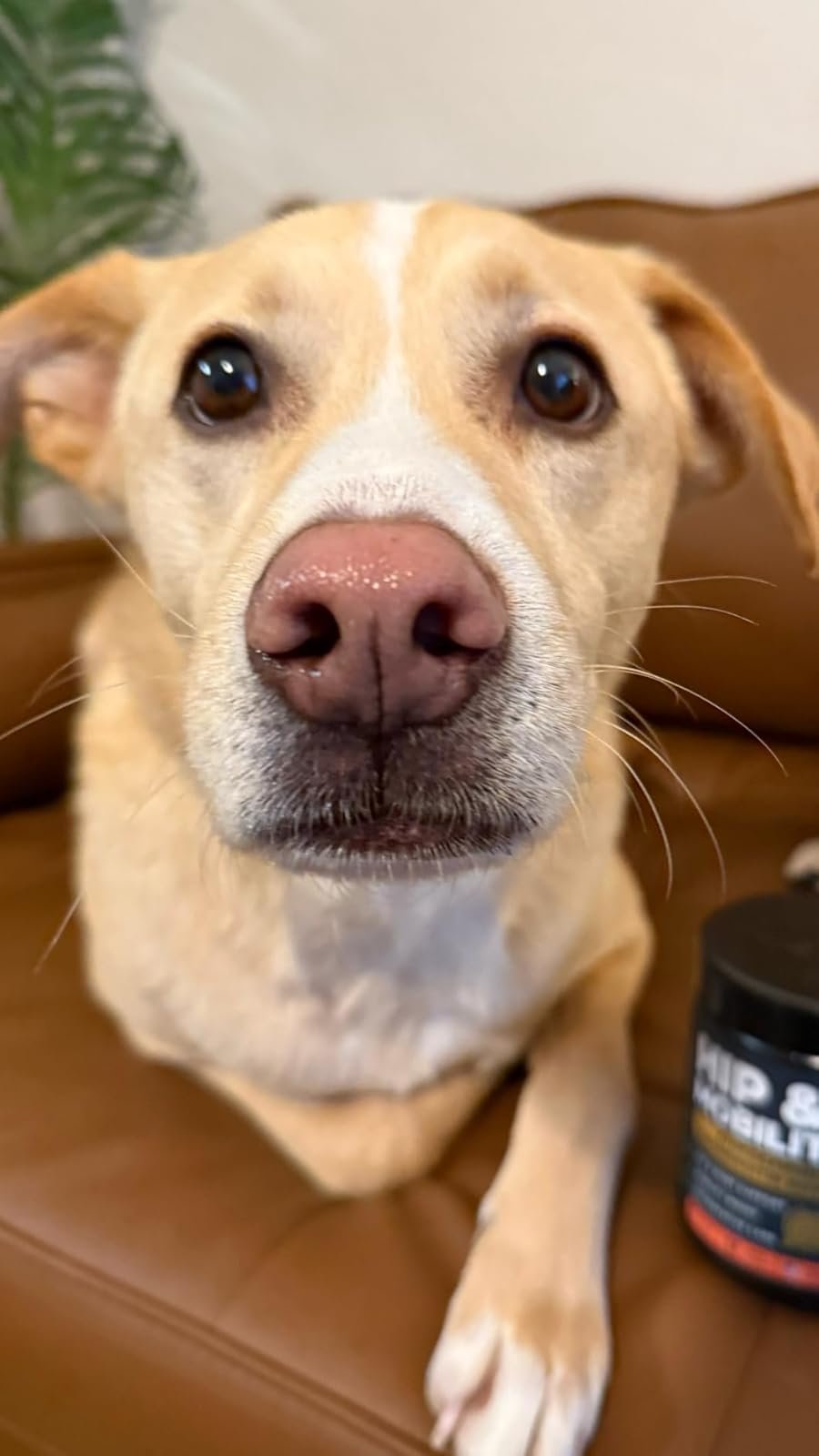
Dog paw pads are built to handle daily movement, but they are not indestructible. Paw pads contain thick skin, fat, connective tissue, and nerve endings that help absorb shock and provide traction. They also come into direct contact with every surface your dog walks on.
In late summer, three things tend to happen at once:
- Surfaces get hotter, especially asphalt, concrete, patios, and artificial turf.
- The ground gets drier, which can contribute to rough, flaky, or cracked pads.
- Outdoor debris increases, including burrs, sharp seed heads, foxtails, gravel, thorns, and dry weeds.
A dog may not show discomfort right away. Many pups are eager to keep walking, sniffing, and exploring even when their paws are getting irritated. That’s why routine checks matter so much this time of year.
Hot pavement can burn quickly
If the air feels hot to you, the ground may be much hotter. Asphalt and concrete absorb heat and can reach uncomfortable or unsafe temperatures even when the air temperature seems manageable. A common at-home test is to place the back of your hand on the pavement for about seven seconds. If it feels too hot for your hand, it is likely too hot for your dog’s paws.
Burned paw pads may look red, darkened, blistered, peeling, or unusually smooth and shiny. Your dog may limp, refuse to walk, lift paws off the ground, or lick their feet after a walk.
Dry pads are not always “just normal”
Some texture on paw pads is normal. They are supposed to be tougher than regular skin. But late-summer dryness can go beyond normal roughness. Dry, cracked paw pads may snag on surfaces, split open, or become painful. Dogs who hike, run on pavement, swim often, or spend time in dry climates may be more prone to paw-pad wear.
Hydration, balanced nutrition, and a consistent paw-care routine all play a role. For dogs who need broader daily support, a complete daily chew with nutrients like biotin, probiotics, and essential vitamins can be a helpful part of the bigger skin-and-coat picture, such as a multivitamin formulated for everyday skin, coat, and whole-body support.
How to protect your dog’s paws from hot pavement
The easiest way to prevent heat-related paw irritation is to adjust when, where, and how you walk. You do not need to skip activity altogether, but August walks often need a little strategy.
Try these late-summer walking habits:
- Walk early or late. Morning and evening walks are usually safer than midday walks.
- Choose grass or shaded routes. Tree-lined paths, dirt trails, and grassy areas are often cooler than sidewalks.
- Shorten pavement time. If you need to cross a hot parking lot or sidewalk, keep it brief.
- Carry small dogs when needed. If the ground is too hot and your dog is light enough to carry safely, do it.
- Build paw tolerance gradually. Sudden long walks on abrasive surfaces can irritate pads, even without heat.
Dog boots can help in some situations, especially for city walks, hot pavement, rocky trails, or dogs with sensitive paws. The key is proper fit and slow introduction. Let your dog wear boots indoors first, then for short outdoor sessions before relying on them for a full walk.
Paw balms may also help create a protective layer against dryness and minor friction. Use dog-safe products only, and avoid anything that makes the paws slippery. Apply a thin layer, and give it time to absorb before walking.
Trail debris, burrs, and foxtails: what to check after every walk
Late-summer trails can be beautiful, but they can also be full of things that cling, poke, or migrate. Burrs, dry grass awns, tiny stones, thorns, and foxtails can lodge between toes, under paw fur, or around the nail bed.
After hikes, field walks, camping trips, or even backyard play in dry weeds, do a quick paw inspection. It only takes a minute once your dog is used to it.
- Look between each toe. Spread the toes gently and check for redness, swelling, seeds, burrs, or dirt clumps.
- Check the paw pads. Look for cracks, cuts, peeling, or anything stuck in the pad.
- Inspect around the nails. Debris can hide near the nail bed or dewclaws.
- Feel for heat or swelling. One paw that feels warmer or more tender than the others deserves attention.
- Wipe the paws clean. A damp cloth can remove dust, pollen, and grit before your dog licks it off.
Foxtails deserve special caution. These barbed grass seeds can work their way into skin, ears, noses, and paws. If you see a foxtail or seed head sitting on the surface, remove it carefully. If it appears embedded, or your dog is licking, limping, swelling, or bleeding, call your veterinarian.
Trim paw fur if it traps debris
Dogs with fluffy feet often collect more burrs and grit between their toes. Carefully trimming excess hair around the paw pads can reduce matting and make it easier to spot problems. If you are not comfortable trimming near paw pads, ask a groomer or veterinary team for help.
For older dogs or dogs with stiffness, paw checks can also reveal whether they are changing how they walk. Uneven wear on nails or pads may suggest your dog is compensating for sore hips, knees, or joints. In those cases, daily movement support may be worth discussing with your vet, and some pet parents choose a mobility supplement with glucosamine, collagen, chondroitin, and turmeric as part of an overall plan.
A simple late-summer paw care routine
You do not need a complicated setup. The best paw-care routine is the one you can repeat consistently, especially after walks, hikes, and hot days.
Here’s a practical routine for August and early fall:
- Before the walk: Check the pavement temperature and choose the coolest route available.
- During the walk: Watch for slowing down, lifting paws, sudden sitting, or pulling toward grass.
- After the walk: Wipe paws with a damp cloth and inspect between toes.
- Weekly: Look for roughness, cracks, nail issues, redness, or changes in walking style.
- As needed: Use a dog-safe paw balm for dryness and consider boots for intense surfaces.
If your dog dislikes having their paws handled, start slowly. Touch one paw, reward calmly, and stop before they get frustrated. Over time, work up to lifting the paw, spreading the toes, and wiping. Paw handling is not just for grooming; it helps you catch small issues before they become painful.
One more late-summer tip: bring water on longer outings. Dogs lose moisture through panting, and hot, dry days can contribute to overall dehydration. While drinking water will not instantly fix cracked paw pads, good hydration supports normal skin function and recovery after activity.
What to watch for: Call your veterinarian if your dog is limping, refusing to walk, constantly licking one paw, bleeding, swelling, developing blisters, or showing a deep crack in the pad. Also call if you suspect a foxtail, thorn, glass, or other object is embedded. Paw injuries can worsen when dogs lick them, and some foreign bodies need professional removal.
Frequently asked questions
How hot is too hot for my dog’s paws?
If pavement feels too hot for your bare hand after several seconds, it is likely too hot for your dog’s paws. Air temperature alone can be misleading because asphalt and concrete hold heat. When in doubt, walk on grass, choose shade, or wait until early morning or evening.
Why are my dog’s paw pads rough and dry in August?
Late-summer heat, dry ground, pavement, swimming, dust, and longer outdoor activity can all contribute to rough paw pads. Some texture is normal, but cracking, bleeding, limping, or persistent licking is not. A paw balm, route changes, and regular post-walk checks can help.
Should I moisturize my dog’s paws?
You can use a dog-safe paw balm if your dog’s pads are dry or prone to cracking. Avoid human lotions unless your veterinarian approves them, because dogs may lick their paws and ingest the product. Apply lightly so the paws are not slippery.
How do I know if something is stuck in my dog’s paw?
Common signs include sudden limping, licking or chewing one paw, swelling between toes, redness, sensitivity when touched, or a visible puncture. Check between the toes and around the nails. If you see something embedded or your dog seems painful, contact your vet instead of digging for it.
Do dogs need boots for summer walks?
Not every dog needs boots, but they can be useful for hot pavement, rocky trails, desert terrain, or dogs with sensitive paws. Introduce them gradually and make sure they fit properly. Boots that rub, twist, or trap heat can create their own problems.
Late summer is a season of small adjustments: cooler walk times, softer routes, quick paw checks, and a little extra attention after trail days. Your dog’s paws carry them through every adventure. In August, they deserve a closer look.
— Megan & the Pup Choice team