For ten weeks, your house was loud. Someone was always around — sleeping in, wandering to the kitchen at ten, home for lunch. Then the bus starts running again, the car pulls out of the driveway by 7:45, and the house goes quiet in a way it hasn't been since June. Your dog notices. Not because dogs understand school calendars, but because they understand patterns, and this one just changed overnight.
If your dog has seemed clingier, more vocal, or oddly "off" the last week or two, you're not imagining it. This is one of the more predictable stress triggers of the year — and one of the more fixable ones, once you know what's actually going on.
Why the back-to-school shift hits dogs so hard

Dogs don't read a calendar; they read repetition. Over the summer, most households drift into a looser rhythm — later mornings, more people in and out, more spontaneous walks and yard time. Dogs adapt to that rhythm just as readily as they'd adapt to a stricter one. The problem isn't that the new schedule is bad. It's that it's sudden, from the dog's point of view: one week, someone's around most of the day; the next, the house empties out by 8 a.m. and stays that way for six or seven hours.
It's not always "separation anxiety"
It's worth separating two different things that look similar from the outside. True separation anxiety is a clinical pattern — panic that starts within minutes of being left alone, often with self-injury or extreme destruction, and it doesn't resolve just because the schedule stabilizes. What most dogs experience in September is more accurately an adjustment stress response: unsettled behavior tied to a routine change, which tends to ease within one to three weeks once a new predictable pattern is in place. The distinction matters because the fix is different — one is a training and management project, the other may need veterinary or behaviorist support.
Signs your dog is struggling with the transition
Watch for a cluster of these, especially if they started right around the schedule change:
- Pacing, whining, or shadowing you more closely in the morning before you leave
- Barking or howling that neighbors or a camera picks up soon after the house empties
- Chewing or scratching concentrated at doors, windows, or exit points
- Drooling, panting, or trembling during the "getting ready to leave" routine
- Accidents in the house from a dog who's normally reliably housetrained
- Skipping meals, or eating much slower than usual, while the house is empty
- Loose stool or an upset stomach — stress affects digestion in dogs the same way it does in people
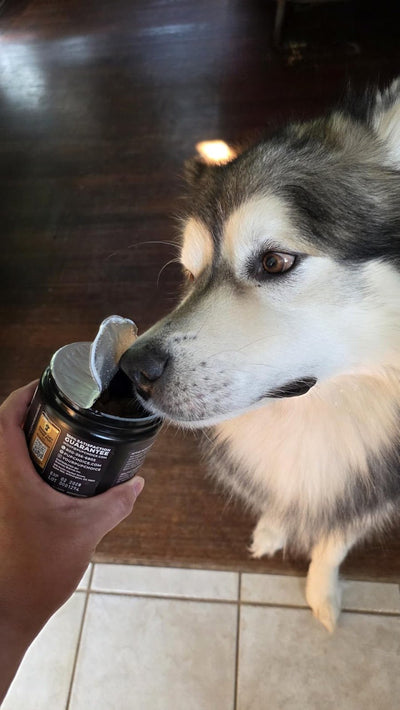
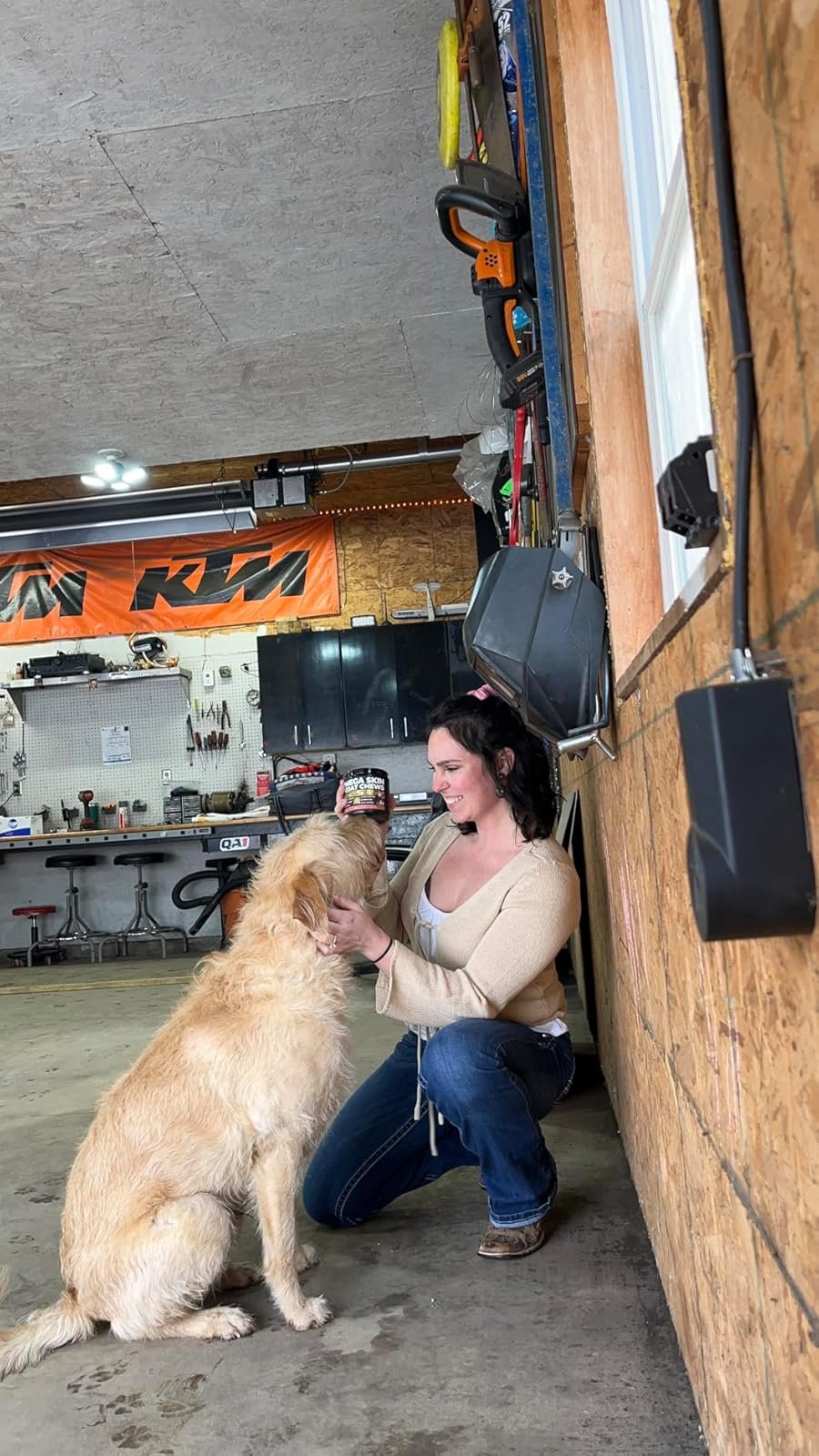
That last one surprises a lot of owners, but gut and nervous system signals are closely linked. If your dog's stomach gets unsettled during high-stress stretches, some owners find it helpful to support digestion directly during the transition with a probiotic chew formulated with prebiotics and enzymes for everyday digestive support, alongside the behavioral changes below — not instead of them.
Rebuilding a routine your dog can predict
The single most effective thing you can do isn't a product or a trick — it's consistency. Dogs settle fastest when the sequence of events leading up to your departure becomes boring and predictable again.
Make the walk the anchor, not an afterthought
A short walk before you leave does two jobs at once: it burns off morning energy so your dog is more inclined to rest rather than pace, and it gives the first hour alone a familiar shape — walk, then quiet, then you're gone. Ten to fifteen minutes is enough on a weekday morning. What matters more than length is that it happens at roughly the same point in the sequence every day, so your dog can anticipate what comes next instead of reading every step you take as a countdown to leaving.
Give the alone-hours something to do
Boredom and anxiety often look identical from the outside, and they compound each other. A frozen food-stuffed toy, a snuffle mat, or a rotating set of puzzle feeders gives your dog a job during the first stretch of alone time, which is usually when stress peaks. Leaving on a low radio or TV can also soften the sudden silence of an empty house. None of this needs to be elaborate — the goal is just to make "alone" mean "something to do" rather than "nothing but waiting."
If you can, practice the new routine for a few days before it's the real thing: get ready to leave, walk out the door, come back in two minutes, and build up from there over a weekend. It takes the drama out of departures faster than jumping straight into a full workday.
When to call your vet
Most adjustment stress fades within a couple of weeks of a stable routine. Call your vet if you see any of the following: destructive behavior severe enough to cause injury (broken teeth, bloodied paws, torn nails from digging at doors), panic that doesn't ease at all after two to three weeks of consistency, a dog who won't eat for more than 24 hours, diarrhea or vomiting that lasts more than a day or two, or any sudden behavior change in an older dog, which can sometimes signal a medical issue rather than a purely behavioral one. These are cases where a vet or veterinary behaviorist, not just a new walk schedule, is the right next step.
Frequently asked questions
How long does it take a dog to adjust to a new school-year schedule?
Most dogs settle within one to three weeks once the new routine is consistent day to day. If there's no improvement by week three, or symptoms are getting worse rather than better, it's worth a vet visit to rule out true separation anxiety or a medical cause.
Is this separation anxiety or just normal adjustment?
Normal adjustment stress tends to ease steadily as the new routine repeats. True separation anxiety is more severe — panic within minutes of being left, self-injury, or extreme destruction — and typically doesn't resolve on its own with time alone.
Should I make a big deal out of leaving and coming home?
No. Keep departures and returns low-key. A dramatic goodbye or an excited greeting teaches your dog that these moments are significant events worth getting worked up about, which works against the "boring and predictable" goal.
Can a stressed dog's stomach actually be affected by a routine change?
Yes — stress hormones affect gut motility and the balance of bacteria in the digestive tract, which is why some dogs get loose stool or go off their food during a big schedule shift. It's a real physiological response, not just a coincidence.
What's the single best thing to change first?
Start with the morning walk. It's the easiest lever to pull consistently, and it reshapes the first hour of alone time more than almost anything else you can do.
— Megan & the Pup Choice team