You don’t have to remember every detail or arrive with a theory about what’s wrong. A short note can keep your questions in view while you talk with your veterinarian. Start with the concern you most want addressed, then leave space to record the answers.
Put your main question first
At the top of your note, write: “My main question today is ______.” If you have several concerns, put them in order and share the list at the beginning of the appointment. Ask which topics can be covered today and whether another visit is needed for the rest.
Turn a broad worry into a specific question: “I noticed [change] on [date]. What information would help you assess it?” Fill in only what you actually observed. A blank is fine when you don’t know.
Describe observations without guessing the cause
If skin or scratching is on your list, record when you first noticed the change and which areas are involved. The Merck Veterinary Manual’s guide to itching explains that itching can have several causes and that a veterinarian uses a history and physical examination to investigate. Describe what you see and leave the explanation open.
Paws on your question list? The American Kennel Club’s paw-cleaning guide explains that debris can collect between toes and recommends checking for cuts or cracked pads. Mention anything you’ve noticed and ask your veterinarian about it.
Make a list of what your dog receives
Create one place for the names of your dog’s food, treats, medications, and supplements. Bring the packaging or readable label photos so you can refer to the actual ingredients instead of trying to remember them.
Useful questions to copy:
- Is there anything on this list you want to review?
- Should I check with you before adding or changing anything?
- Where should I send a label or detail I forgot today?
Keep nutrition questions separate
Give everyday nutritional support its own line on your list. Diagnosis and treatment belong with your veterinarian; a supplement should not take the place of that assessment or the care plan you discuss.
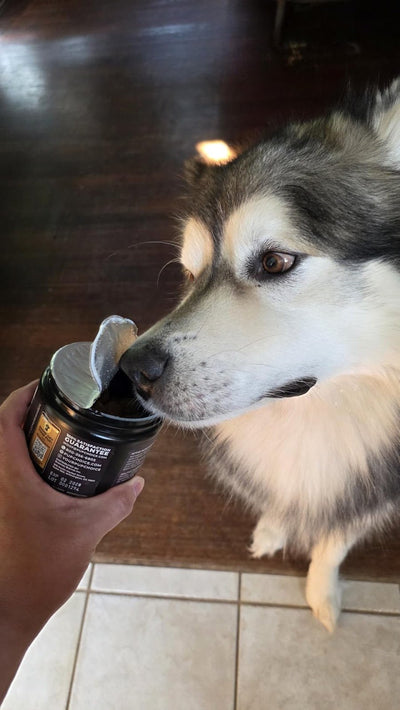
If you’re considering Pup Choice Omega 3 Skin & Coat Chews, the listed ingredients include wild salmon oil, biotin, zinc, and vitamin E. Ask: “Is this an appropriate addition to my dog’s everyday nutrition?” Bring the label so your veterinarian can review the specific product.
View Omega 3 Skin & Coat Chews
Leave with a clear next step
Before the appointment ends, ask what happens next, who will contact whom, and when. If something is unclear, ask for it to be explained again or written down.
Try these closing questions:
- What should I record at home?
- When should we check in again?
- What changes should prompt me to call sooner?
Read your notes back: “My next step is ______, and I should contact you ______.” Save the clinic’s preferred contact method alongside the plan. You’ll have a practical reference when you get home, with your remaining questions ready for the next conversation.