Every spring, the messaging is the same: take your dog hiking, watch out for ticks, check the ears. And while that's not wrong, it misses the more common story. Most dogs that come in to the vet with a tick attached didn't spend the weekend on a mountain trail. They spent it in the backyard. Or they cut through a neighbor's unmowed grass on their morning walk around the block.
Tick season is real, it's expanding, and it starts earlier than most people expect — sometimes as early as late February in warmer climates. Understanding where ticks actually come from, and what "prevention" genuinely means, is more useful than a checklist you forget by May.
Tick season doesn't start the same everywhere

One of the most important things to know is that "tick season" isn't a single event on the calendar. It varies significantly by region, and in some parts of the country, ticks are active year-round.
The Northeast and Upper Midwest
These regions deal most heavily with the black-legged tick (often called the deer tick), which is the primary carrier of Lyme disease. In these areas, adults become active as soon as temperatures are consistently above freezing — sometimes in late March. Nymphs, which are the size of a poppy seed and much harder to spot, peak in late spring and early summer. Nymphs are responsible for the majority of Lyme disease transmission in humans, and the same risk applies to dogs.
The South and Gulf Coast
The American dog tick and the lone star tick dominate here. The lone star tick is aggressive — it actively tracks hosts rather than waiting on a blade of grass — and it's associated with diseases including ehrlichiosis and Rocky Mountain spotted fever. In states like Texas, Louisiana, and Florida, tick activity never really stops. There's no clean off-season.
The West and Pacific Northwest
The western black-legged tick carries Lyme in this region, though at lower rates than in the Northeast. The Rocky Mountain wood tick is a concern at higher elevations. Washington and Oregon pet owners often underestimate tick risk because the landscape feels different from the classic "tick territory" imagery — but moist, brushy areas harbor them reliably from early spring onward.
Wherever you live, the practical takeaway is the same: assume ticks are active earlier than last year. Tick populations have been expanding their range northward and into higher elevations for over a decade, and the warming trend hasn't reversed.
The backyard problem — and other places dogs actually pick up ticks
Here's the part that surprises most people: your own yard is often a higher-risk environment than a maintained trail. Why? Because trails are frequently groomed and trafficked. Ticks don't prefer those conditions. They prefer the edges.
Ticks practice what's called "questing" — they climb to the tip of a grass blade or low shrub, hold on with their back legs, and extend their front legs to grab a passing host. They're drawn to areas where wildlife move regularly: the edge of a wood line, the fence row where deer pass, the pile of leaves you haven't gotten to yet. Your dog doesn't have to go anywhere special to walk through that zone.
Common tick pickup locations dog owners overlook:
- The perimeter of a fenced yard, especially near hedges or a wood line
- Leaf litter that accumulated over winter
- Unmowed grass strips along sidewalks or curbs
- Dog parks with natural ground cover
- Visiting a friend's yard or rural property
- The car — if you've been somewhere tick-prone, they can hitch a ride inside
None of these require a "hiking dog." This is everyday life for most dogs.
How to actually check your dog — and what you're feeling for
Ticks are not always visible. Nymphal deer ticks in particular are tiny enough to be mistaken for a speck of dirt. After any time outdoors during active season, run your hands slowly over your dog's entire body — not just a quick pat, but deliberate pressure with your fingertips moving through the coat.
Pay particular attention to these spots, where ticks prefer to attach:
- In and around the ears (including inside the ear flap)
- Between the toes and around the paw pads
- The groin area and inner thighs
- Under the collar
- Around the tail base
- Eyelids
If you find one, use fine-tipped tweezers or a tick removal tool and grasp as close to the skin as possible. Pull upward with steady, even pressure. Don't twist, don't use petroleum jelly, don't apply heat. After removal, clean the area with rubbing alcohol and note the date — it's useful information if your dog develops symptoms later.
When to call your vet
Most tick bites don't result in illness, but some do — and the window for early treatment matters. Contact your vet if your dog develops any of the following within a few weeks of a known or suspected tick exposure: unexplained lethargy, loss of appetite, fever, lameness that shifts between legs (a classic Lyme sign), swollen joints, or unusual bruising. Rocky Mountain spotted fever can progress quickly, so if your dog seems acutely unwell and you're in an endemic area, don't wait to call. Annual tick-borne disease panels are available at most veterinary offices and are worth discussing with your vet if your dog spends significant time outdoors.
What prevention actually looks like in practice
Veterinary-prescribed tick prevention — whether oral, topical, or collar-based — is still the most effective tool available for reducing tick attachment and the transmission window. Nothing in this article replaces a conversation with your vet about what product is appropriate for your dog's size, age, health history, and local tick species. That said, prevention is broader than a single product.
A few realistic habits that complement whatever your vet recommends:
- Check daily during peak season. Prevention products reduce risk; they don't eliminate it entirely. A physical check after every outdoor exposure is still worthwhile.
- Manage your yard. Keep grass mowed short, clear leaf litter away from areas your dog frequents, and consider a wood chip or gravel barrier between lawn and any wood line.
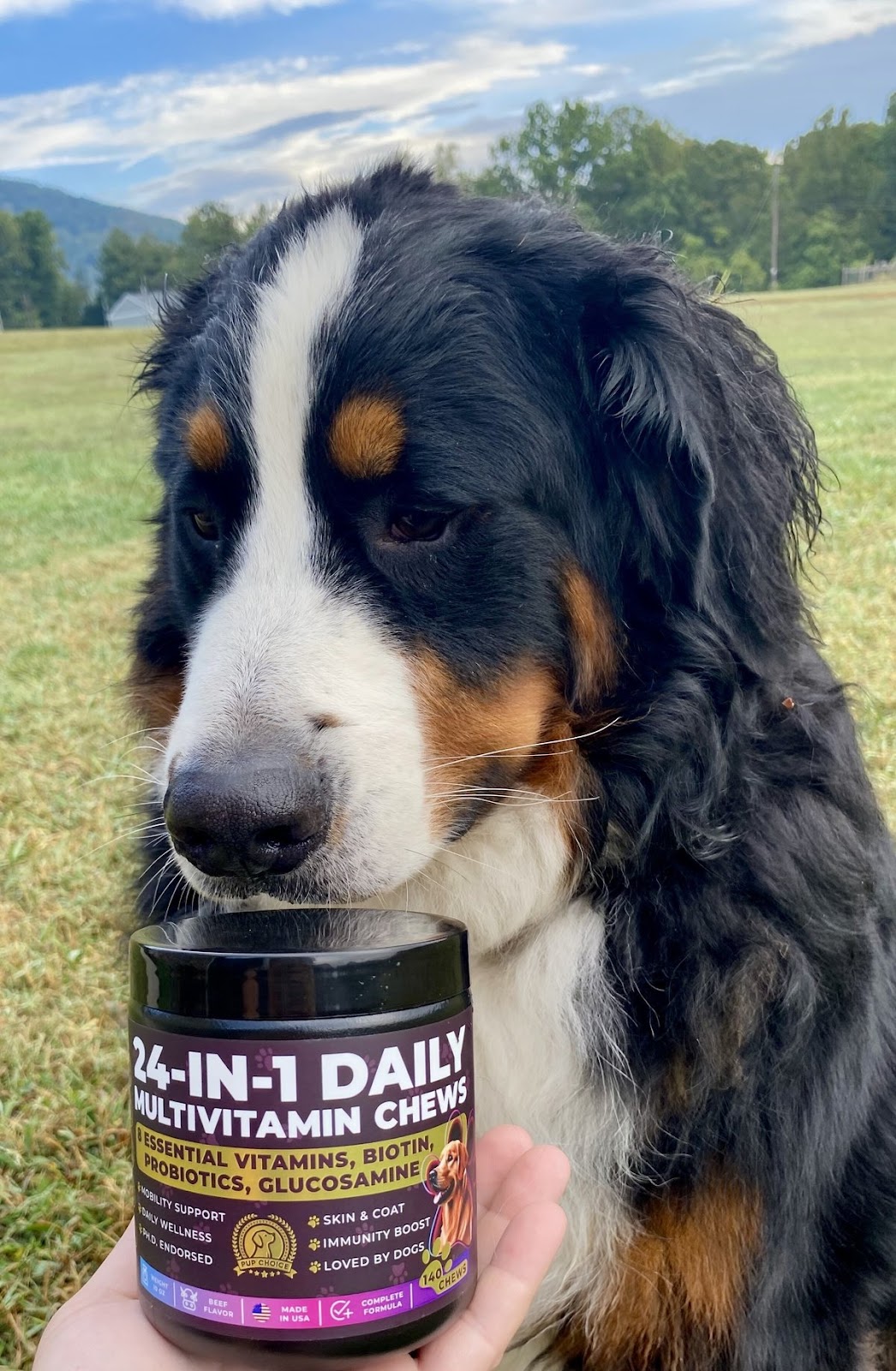
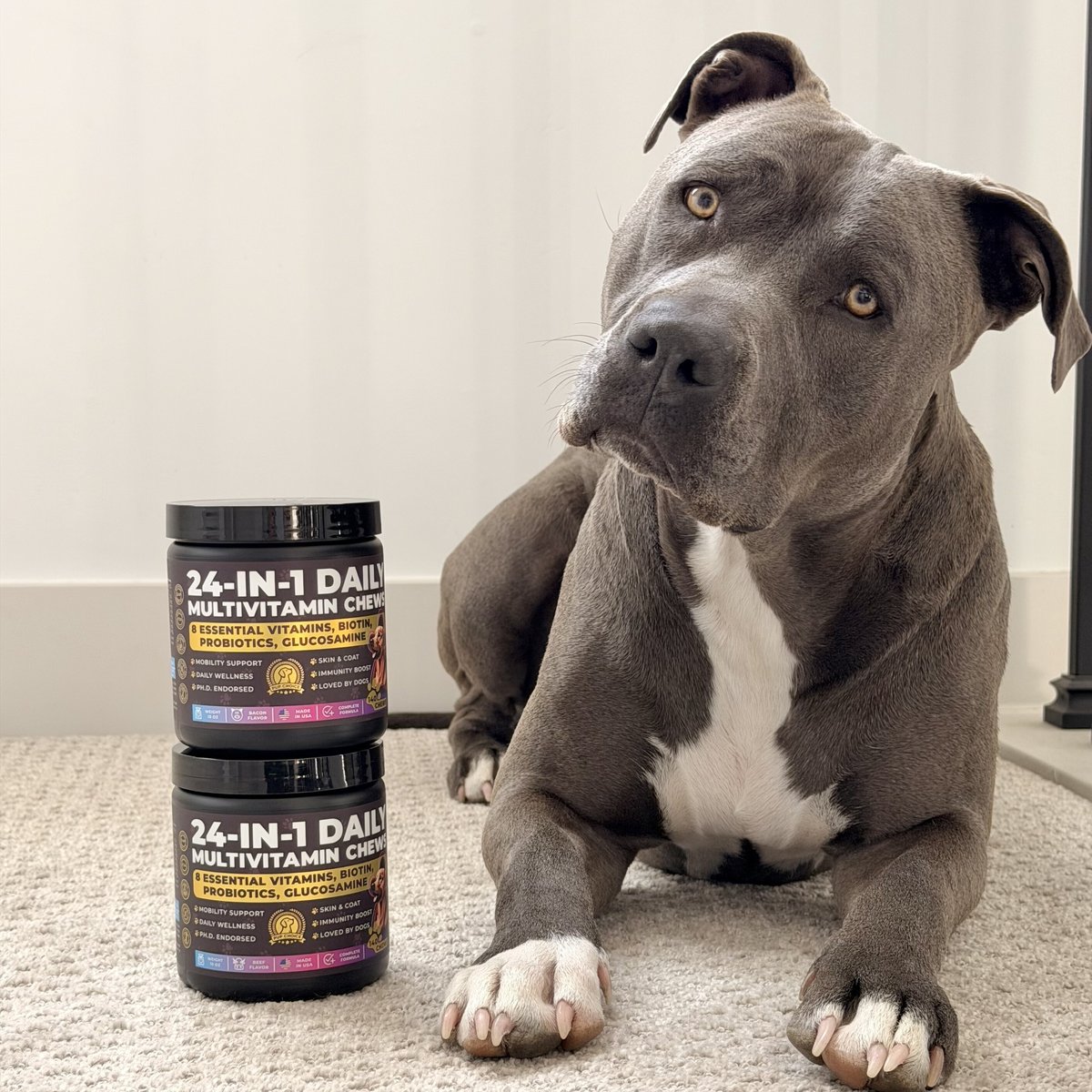
- Support your dog's skin barrier. A compromised skin barrier — dry, flaky, or inflamed skin — can make it harder to detect ticks and may be slower to heal after a bite site. Dogs whose coats and skin are in good condition are simply easier to check thoroughly. Supporting that from the inside out matters; a daily supplement with wild salmon oil, biotin, and zinc formulated for skin and coat health is one straightforward way to do that over time.
- Keep the gut in good shape. Tick-borne illness, when it does occur, often triggers a significant immune response. Dogs with strong baseline immune function tend to recover more readily. A probiotic and digestive enzyme supplement that includes immune-supporting ingredients like turmeric is worth considering as part of your dog's year-round routine — not as a tick treatment, but as overall health maintenance.
- Keep records. Know what prevention product your dog is on, when it was last administered, and note any ticks you remove and when. It's a small habit that pays off if you're ever trying to piece together a timeline with your vet.
The goal isn't paranoia. Most dogs who spend time outside during tick season will never develop a tick-borne illness. But the ones who do are rarely the ones whose owners expected it to happen. A little routine goes a long way. 🐾
Frequently asked questions
How soon after a tick attaches can disease transmission happen?
It depends on the disease and tick species. For Lyme disease, the black-legged tick generally needs to be attached for 36–48 hours before the Borrelia bacteria transfers. Rocky Mountain spotted fever, however, can be transmitted in as little as a few hours in some cases. This is why prompt removal matters — the sooner you find and remove a tick, the lower the transmission risk for most diseases.
Can indoor dogs get ticks?
Yes, though less often. Ticks can enter homes on clothing, other pets, or occasionally on their own. If your dog never goes outside, the risk is very low — but if they go out even briefly to a yard or for a walk, they're exposed. "Indoor dog" doesn't mean zero risk during tick season.
Are some dog breeds more at risk than others?
All dogs are susceptible to ticks regardless of breed. However, dogs with dense, thick coats — like Bernese Mountain Dogs, Siberian Huskies, or Golden Retrievers — can be harder to check thoroughly, which means ticks may go undetected longer. It's not increased vulnerability so much as increased difficulty finding ticks during routine checks.
Do tick prevention products also repel ticks, or just kill them after attachment?
It varies by product. Some products kill ticks after they attach but before they've had enough time to transmit disease. Others have a repellent effect that reduces attachment in the first place. This is worth asking your vet specifically — knowing how your chosen product works helps you understand what behavior to expect and why visual checks still matter even with prevention in place.
What's the best way to store a tick after I remove it from my dog?
Place it in a sealed plastic bag with a small piece of damp paper towel. You can take it to your vet or a local health department for identification if you're concerned. Knowing the species can help determine what diseases are worth monitoring for. Some commercial tick testing services also exist for home submission, though results should always be discussed with your vet rather than acted on independently.
— Megan & the Pup Choice team