
If your dog spends any time in the backyard, there's a good chance they've wandered through a flower bed, sniffed around a garden border, or chewed on something they shouldn't have. Most of the time, that's harmless. But some of the most common plants in residential gardens — the ones that look perfectly cheerful on a spring afternoon — can cause serious harm to dogs who ingest them.
This isn't a reason to rip out your garden. It's a reason to know what's growing in it. The more familiar you are with the specific plants in your yard and neighborhood, the faster you can act if something goes wrong. Here's a practical breakdown of the most common toxic garden plants, what they do, and how to keep your dog safe around them.
The most dangerous common garden plants for dogs
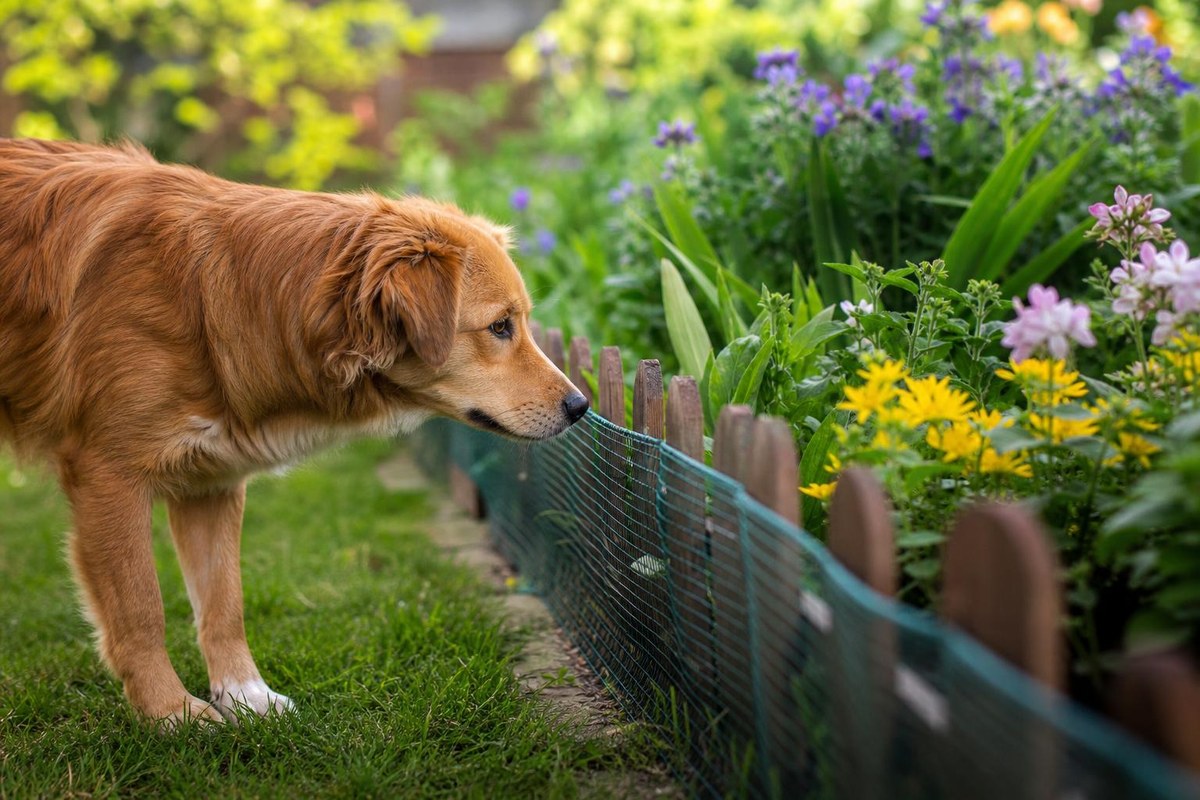
Not all toxic plants carry the same level of risk. Some cause mild stomach upset. Others can trigger organ failure within hours. The three plants below are among the most frequently encountered — and the most frequently implicated in calls to animal poison control hotlines each spring.
Lilies
The toxicity of lilies depends heavily on the specific variety, and this is where it gets serious. True lilies — including Easter lilies, tiger lilies, Asiatic lilies, and daylilies — are considered highly toxic to cats, and while the mechanism differs in dogs, certain lily species still pose a real danger to them as well.
In dogs, lily of the valley (Convallaria majalis) is the variety of greatest concern. It contains compounds called cardiac glycosides that can interfere with heart rhythm, causing symptoms like vomiting, low heart rate, weakness, and in severe cases, heart arrhythmia. Even small amounts can produce noticeable symptoms, and the plant is extremely common in shaded garden borders and as a ground cover.
Symptoms of lily of the valley ingestion can appear within one to two hours and may include drooling, vomiting, lethargy, and in serious cases, collapse. If you have this plant in your yard and a dog who digs or chews, consider whether it needs to be relocated or fenced off.
Tulips and hyacinths
Tulips are a staple of spring gardens, and they're toxic to dogs — particularly the bulb, which contains the highest concentration of allergenic lactones and other irritating compounds. Dogs who dig (and many do) are at higher risk because fresh or stored bulbs are far more potent than the above-ground flower or stem.
Ingesting tulip bulbs typically causes gastrointestinal distress: drooling, nausea, vomiting, and diarrhea. In larger quantities, more serious symptoms can emerge, including increased heart rate, difficulty breathing, and changes in heart rhythm. Hyacinths carry similar risks and are often planted in clusters, meaning a dog who finds one bulb may have easy access to many.
If you plant bulbs in fall or store them indoors over winter, keep them well out of reach. Dogs are often drawn to the smell.
Azaleas and rhododendrons
Azaleas are one of the most widely planted flowering shrubs in North American gardens, and they're toxic to dogs across the board — flowers, leaves, stems, and nectar alike. The toxic compounds are called grayanotoxins, and they disrupt sodium channels in cell membranes, affecting the heart and nervous system.
Even a relatively small amount of azalea material — as few as a handful of leaves — can cause significant symptoms in a medium-sized dog. These include drooling, vomiting, diarrhea, weakness, tremors, and low blood pressure. Severe cases can involve loss of coordination, seizures, and cardiovascular effects that require emergency veterinary care.
Because azaleas are so common in foundation plantings and garden borders, this is one of the plants worth specifically identifying in your own yard before spring arrives.
Other backyard plants worth knowing about
Lilies, tulips, and azaleas get a lot of attention, but they're far from the only common garden threats. A few others that appear regularly in residential yards:
- Sago palm — One of the most toxic plants known to dogs. Even a few seeds can cause liver failure.
- Oleander — Cardiac glycosides similar to lily of the valley; all parts are toxic.
- Foxglove (Digitalis) — Attractive cottage garden flower; also contains cardiac glycosides.
- Autumn crocus — Often confused with the safer spring crocus; the autumn variety contains colchicine and can cause severe multi-organ damage.
- Lantana — Common in warm-climate gardens; affects the liver and can cause photosensitivity.
- Yew — A popular hedge and ornamental shrub with highly toxic berries and foliage.
The ASPCA maintains a comprehensive database of toxic and non-toxic plants (aspca.org/pet-care/animal-poison-control/toxic-and-non-toxic-plants) that's worth bookmarking. If you're not sure what's growing in your yard, it's a useful reference.

When to call your vet
If you see or strongly suspect your dog has ingested any part of a toxic plant, don't wait for symptoms to appear before making a call. Contact your veterinarian or the ASPCA Animal Poison Control Center (888-426-4435) immediately. Be prepared to describe the plant as specifically as you can — a photo helps — and note approximately how much your dog may have eaten and when. Early intervention makes a significant difference in outcomes, particularly with plants that affect the heart or liver. Don't induce vomiting unless a vet or poison control specialist explicitly advises you to do so.
Even if the symptoms seem mild — a bit of drooling or a single episode of vomiting — a quick call to your vet is always the right move. Some toxic compounds have delayed effects, and what looks minor initially can escalate.
Supporting your dog's health through and after any GI event
If your dog has experienced a stomach upset — whether from mild plant exposure, eating something off the ground, or just general digestive sensitivity — their gut microbiome can take a hit even after the immediate symptoms resolve. The digestive system is intricate, and disruptions don't always clear up as quickly as the obvious signs do.
One straightforward way to support recovery and ongoing gut health is through a daily supplement that addresses the digestive system from multiple angles. A probiotic chew that combines live cultures with prebiotics, digestive enzymes, and fiber can help restore and maintain the balance of beneficial gut bacteria — especially useful in dogs who've had recent GI disruption or who are prone to digestive sensitivity.
Similarly, if your dog has been exposed to environmental irritants or you've noticed changes in their skin and coat alongside any digestive issues 🐾, it's worth noting that gut health and skin health are more connected than most people realize. Supporting the skin barrier from the inside out — through something like a wild salmon oil chew that provides omega-3 fatty acids alongside biotin, zinc, and vitamin E — is a practical daily step, not just a reactive one.
Neither of these replaces veterinary care if your dog has been exposed to a toxic plant. But as part of a broader approach to keeping your dog resilient and well-supported day to day, they're worth considering.
Frequently asked questions
Are tulip flowers less dangerous than the bulbs?
Yes — the bulb contains the highest concentration of toxic compounds, so it poses the greatest risk. That said, the stems, leaves, and flowers are still considered toxic and can cause gastrointestinal symptoms if ingested. If your dog has eaten any part of a tulip plant, it's worth a call to your vet.
My dog ate a few azalea leaves. How worried should I be?
Azalea ingestion should always be taken seriously. Even a small amount can cause notable symptoms in dogs, and the cardiovascular effects of grayanotoxins can be serious. Contact your veterinarian or animal poison control immediately — don't wait to see if symptoms develop.
Is lily of the valley more dangerous than other lilies for dogs?
For dogs specifically, yes. Lily of the valley is one of the more dangerous lily varieties because of its cardiac glycoside content. While true lilies (Easter, tiger, Asiatic) are the primary concern for cats, dogs are still at risk from several lily species, and lily of the valley in particular warrants serious caution.
How can I tell if a plant in my yard is toxic to dogs?
The ASPCA's toxic plant database (aspca.org/pet-care/animal-poison-control/toxic-and-non-toxic-plants) is a reliable starting point. If you're unsure what a plant is, taking a clear photo and using a plant identification app can help narrow it down before you cross-reference for toxicity. When in doubt, assume a plant may be a risk and restrict your dog's access until you know for certain.
Can dogs get sick from sniffing toxic plants, or only from eating them?
In most cases, toxicity requires ingestion — eating part of the plant. Simply sniffing is generally not a concern. However, some dogs will mouth or chew plants they're investigating, so close supervision in the garden is still important, especially with known toxic varieties nearby.
— Megan & the Pup Choice team