If you've swept up more fur this month than you did all summer, you're not imagining it. Fall is one of the two big shedding seasons for most dogs, and for a lot of owners, it's genuinely startling the first time they see it. The good news: in most cases, heavy fall shedding is completely normal biology. The trickier part is knowing when it's actually pointing to something happening underneath the coat.
Here's how to read what your dog's coat is telling you this season, and what's worth a closer look.
Why dogs shed more in fall
Shedding is driven primarily by daylight length, not temperature. As days get shorter heading into fall, it signals to your dog's body that it's time to swap out a lighter summer coat for a denser winter one. Double-coated breeds — think Huskies, Labs, Shepherds, and Golden Retrievers — feel this most intensely because they're cycling out a whole layer of undercoat at once.
The "coat blow" most owners notice first
This heavier seasonal release is sometimes called "blowing coat." It can look alarming because it happens in a compressed window rather than trickling out evenly. A dog that seemed to shed lightly all summer can suddenly leave fur on every surface in the house for a few weeks. That's the undercoat cycling out to make room for new winter growth, and it's expected, not a red flag on its own.
What normal fall shedding looks like
Typical seasonal shedding tends to share a few traits:
- Fur comes out in an even pattern across the body, not concentrated in one spot
- The skin underneath looks pink or its normal pigment, without redness or flaking
- Your dog isn't scratching, licking, or chewing more than usual
- The coat that grows back in looks healthy and full, not thin or patchy
- Appetite, energy, and behavior are unchanged
If that describes your dog, regular brushing to help move the loose undercoat along is really all you need. A slicker brush or deshedding tool a few times a week during peak shed will save your floors and speed the process up.
When shedding points to a skin issue
Sometimes what looks like "just a lot of shedding" is actually a coat and skin system that's struggling to keep up. A few signs worth paying attention to:
Patchiness and hair quality
Bald or thinning patches, especially with visible redness, scabbing, or a change in skin texture underneath, are different from a heavy but even shed. Hair that looks dull, brittle, or breaks off mid-shaft (rather than releasing at the root) can also point to a nutritional or skin barrier issue rather than a normal seasonal cycle.
Common underlying causes
A few things tend to show up alongside fall shedding and get mistaken for "just the season":
- Environmental allergies — ragweed, mold spores, and dust mites often peak in fall and can trigger itchy, inflamed skin that looks like excess shedding
- Dry skin from indoor heat — as furnaces kick on, indoor humidity drops, which can leave skin flaky and coats brittle
- Fleas and other parasites — still active well into fall in many climates, and a common cause of hot spots and hair loss
- Nutritional gaps — a coat going through a heavy growth cycle has higher demands for protein, fatty acids, and certain minerals than usual
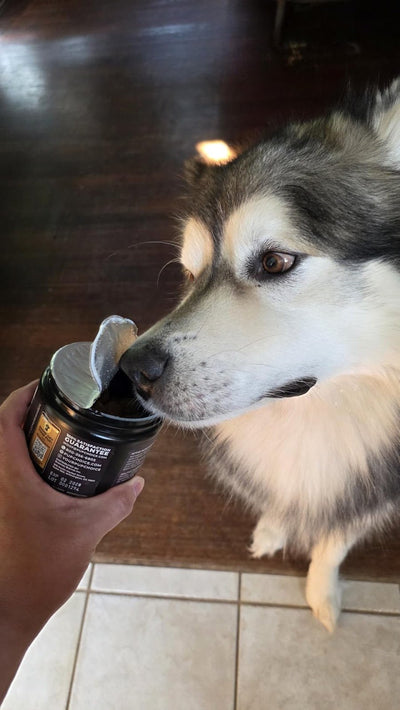
Skin health and gut health are more connected than most owners realize. A dog with an unsettled gut often shows it first in coat quality and skin condition, since a lot of immune and inflammatory activity is regulated there. If your dog's shedding has come with digestive changes too — looser stools, more gas, general pickiness — it's worth looking at the whole system rather than just the coat. This is where chews that support gut health with probiotics, prebiotics, and digestive enzymes can help address the root of skin issues that show up as "just shedding" on the surface.
For coats that seem dull, dry, or slower to recover after a heavy shed, an omega-3 supplement formulated for skin barrier support is one of the more evidence-backed ways to help, since fatty acids are a direct building block for skin cell health and coat shine.
When to call your vet
Most fall shedding resolves on its own within a few weeks as the new coat comes in. But get your vet involved if you notice any of the following: shedding paired with visible skin redness, sores, or scabbing; a strong odor coming from the skin or coat; bald patches with a defined border (which can indicate a fungal or parasitic issue); excessive scratching, licking, or chewing at one area; or any shedding that's accompanied by lethargy, appetite loss, or weight changes. These can indicate allergies, infections, parasites, or hormonal issues that need diagnosis rather than just supplement support. 🐾
Frequently asked questions
How much shedding is actually normal in the fall?
There's no exact number, but the key is pattern, not volume. Heavy, even shedding that leaves healthy skin and a full regrowth underneath is normal, even if it feels like a lot. Shedding concentrated in patches or paired with skin changes is the bigger flag.
Does diet really affect shedding?
Yes. Coat growth is protein- and fatty-acid-intensive, so a dog on a diet that's marginal in those areas may shed more heavily or grow back a duller coat. This is especially noticeable during seasonal coat changes, when demand on the body is highest.
Should I bathe my dog more during heavy shedding?
Frequent brushing is more useful than frequent bathing. Over-bathing can strip natural oils and actually make dry skin and shedding worse. A deshedding brush a few times a week is usually more effective than extra baths.
Is fall shedding worse than spring shedding?
They're driven by the same daylight mechanism, just in opposite directions — spring sheds the winter undercoat, fall grows it back in. Some owners find fall feels heavier because the new coat coming in is denser than what's shed in spring.
My dog has bald spots but doesn't seem itchy — should I still worry?
Yes, it's still worth a vet visit. Some causes of hair loss, including certain hormonal conditions and early fungal infections, don't cause noticeable itching. A defined bald patch is worth checking even without obvious discomfort.
— Megan & the Pup Choice team