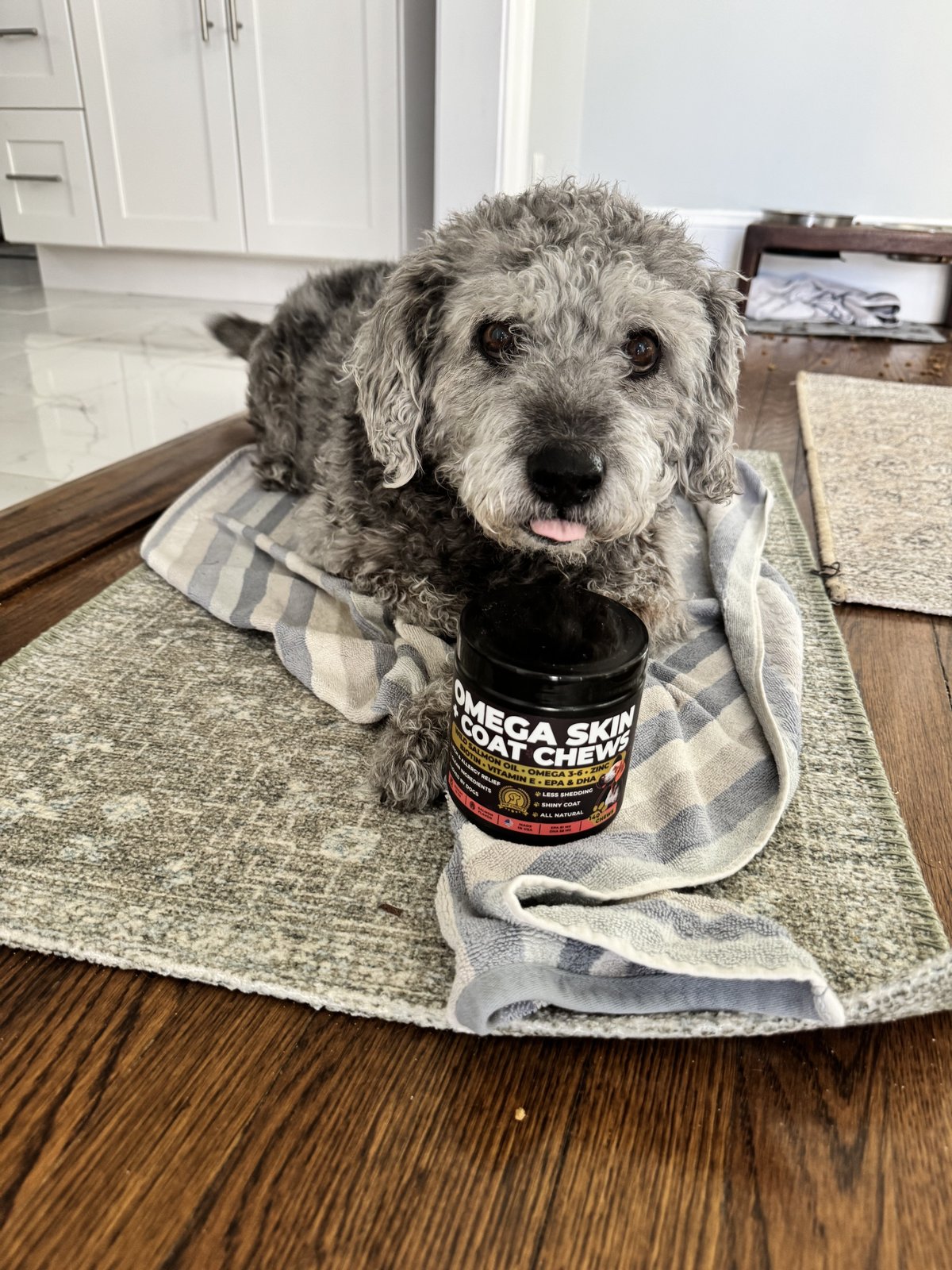
Every spring, like clockwork, some dogs transform. One week they're fine. The next they're scratching at their ears, rubbing their face along the carpet, and chewing their paws until they're pink. If this sounds familiar, you're probably watching seasonal environmental allergies play out in real time — and the trigger almost certainly isn't their food.
Spring allergies in dogs are more common than most pet owners realize, and they're frequently mistaken for other problems. Understanding what's actually happening — and why it happens during this specific window of the year — makes it a lot easier to manage.
What's actually triggering your dog's spring allergies

Dogs, like people, can develop sensitivities to environmental allergens. The clinical term is atopic dermatitis — a chronic inflammatory skin condition triggered by things in the environment rather than in the diet. In spring, the main offenders are:
- Tree pollen — oak, birch, cedar, and maple trees all release heavy pollen loads starting in late winter and peaking through May
- Grass pollen — Bermuda, Kentucky bluegrass, and Timothy grass typically pick up after tree season winds down
- Tree sap and resin — less talked about, but contact with sap (especially on paws and belly fur during walks) can cause localized reactions in sensitized dogs
- Mold spores — thawing soil and decaying leaf litter release mold spores that peak during the same spring window
Here's what makes dogs different from humans: they absorb a significant amount of environmental allergens through their skin, not just through their respiratory tract. When your dog trots through freshly cut grass or rolls in a yard full of fallen pollen, that material makes direct contact with their skin barrier. If that barrier is compromised — thin, dry, or inflamed — allergens pass through more easily and trigger an immune response.
The result is itching, redness, and inflammation, most visibly in areas where fur is thinner and skin-to-ground contact is highest: paws, belly, groin, armpits, and around the face and ears.
How to tell it's seasonal and not food-related
Food allergies and environmental allergies can look nearly identical on the surface — both cause itching, skin redness, and ear issues. The key differentiator is timing. Environmental allergies follow the calendar. If your dog's symptoms appear in March or April, ease off in July, and come back the following spring, seasonal atopic dermatitis is the much more likely explanation. Food allergies tend to be year-round and consistent regardless of season.
If you've already ruled out food by keeping your dog on a stable diet with no new proteins, and the pattern still correlates with spring, trust that signal.
What you can do at home to reduce the reaction
You can't stop trees from blooming, but you can meaningfully reduce your dog's allergen load and support their skin's ability to handle exposure.
Rinse paws and belly after outdoor time
This one is simple and underused. A quick rinse with lukewarm water after walks — especially on high-pollen days — removes surface-level pollen and grass proteins before they have a chance to sit on the skin. You don't need a special product. Water alone makes a measurable difference. Focus on paws, between the toes, and the belly fur, which drags along the ground.
Vacuum and wipe down surfaces more frequently
Pollen travels indoors on your dog's coat, your shoes, and through open windows. During peak pollen weeks, vacuuming floors and wiping down your dog's sleeping surfaces more frequently reduces the ambient allergen load they're exposed to even at rest.
Support the skin barrier from the inside
A dog's skin barrier is their first line of defense against allergens. When it's healthy — well-hydrated, with adequate lipid production — it's much better at keeping environmental triggers out. When it's deficient in key fatty acids, that barrier breaks down and becomes permeable.
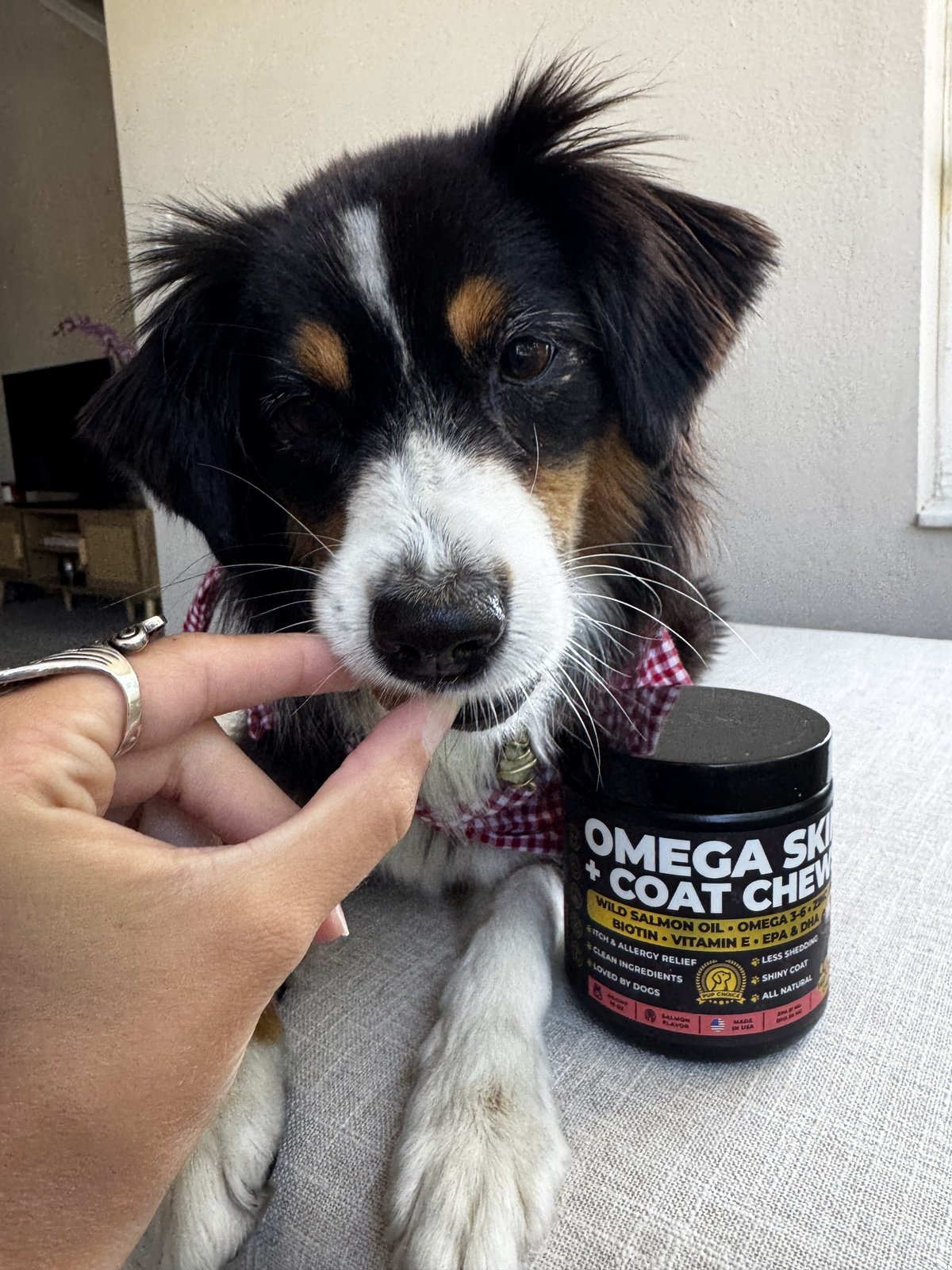
This is where nutrition plays a real role. Omega-3 fatty acids (particularly EPA and DHA from marine sources) are consistently shown in veterinary literature to support skin barrier integrity and reduce the inflammatory response associated with atopic dermatitis. Adding a daily omega-3 supplement formulated specifically for skin and coat health — especially one that includes supportive nutrients like zinc, biotin, and vitamin E — can make a noticeable difference over four to six weeks of consistent use.
Gut health also matters more than people expect. 🐾 A significant portion of the immune system is regulated in the gut, and an imbalanced microbiome can amplify the inflammatory response to allergens. Dogs with poor gut flora may have a harder time keeping allergic reactions in check. Supporting the gut with a probiotic formulated for dogs that includes prebiotics and digestive enzymes can help modulate the immune response from the inside out — it's not a cure for allergies, but it's a meaningful piece of the overall picture.
Avoid peak pollen hours when possible
Pollen counts tend to be highest in the morning, particularly between 5 a.m. and 10 a.m. on dry, windy days. Shifting walks to late afternoon or early evening during high-pollen weeks can reduce exposure without cutting outdoor time entirely.
When to call your vet
Home management is appropriate for mild seasonal symptoms — some scratching, occasional paw licking, mildly red skin. But there's a threshold where professional support becomes necessary. Call your vet if your dog is scratching to the point of breaking skin, has developed hot spots or open sores, is shaking their head or pawing at ears frequently (which can signal a secondary yeast or bacterial ear infection), or if symptoms are severe enough to disrupt their sleep or daily behavior. Chronic, unmanaged atopic dermatitis can lead to skin infections that require antibiotics or antifungals, and in some cases, a veterinary dermatologist may recommend allergy testing and immunotherapy. Seasonal allergies are manageable — but they're not something to push through indefinitely without help if your dog is genuinely uncomfortable.
Frequently asked questions
Can dogs develop seasonal allergies later in life, even if they were fine as puppies?
Yes — and this is actually very common. Atopic dermatitis in dogs typically develops between one and three years of age, but it can appear later. Repeated seasonal exposures can sensitize the immune system over time, meaning a dog that had no reaction at age one may start showing symptoms at three or four. It's not unusual for owners to be caught off guard by this.
My dog only chews their paws in spring. Is that really allergies?
Paw chewing is one of the most classic signs of environmental allergies in dogs. The paws make direct contact with grass and ground-level pollen on every walk, and the thin skin between the toes is particularly reactive. If the chewing is seasonal and localized to the paws, environmental atopic dermatitis is the most likely explanation. Consistent paw rinsing and skin barrier support are the first things to try.
How long does pollen season last for dogs?
It depends on your region, but in most of North America, tree pollen peaks between February and May, grass pollen peaks from May through July, and weed pollen follows in late summer and fall. Many atopic dogs are actually reactive to multiple pollen types, which means their "spring" allergies may stretch across most of the warmer months. Tracking your dog's symptoms against a local pollen calendar (most weather apps include one) can help you identify which triggers are most relevant.
Are certain dog breeds more prone to environmental allergies?
Yes. Breeds with known predispositions to atopic dermatitis include Golden Retrievers, Labrador Retrievers, French Bulldogs, Bulldogs, West Highland White Terriers, Boxers, and German Shepherds, among others. That said, any dog of any breed can develop seasonal allergies. Genetics load the gun, but exposure and skin barrier health determine how symptoms actually express.
Should I try antihistamines for my dog's spring allergies?
Antihistamines like diphenhydramine (Benadryl) are commonly used for dogs, and some owners find them helpful for mild symptoms. The honest answer is that antihistamines are less effective in dogs than in humans — studies suggest they help in roughly 30% of atopic dogs. They're safe to try at appropriate doses (always confirm the dose and formulation with your vet first), but they're not a reliable standalone solution for moderate to severe cases. Skin barrier support and allergen avoidance tend to produce more consistent results.
Spring doesn't have to mean two months of watching your dog suffer through an itch they can't explain. Most dogs with seasonal environmental allergies can be managed comfortably with a combination of reduced allergen exposure, consistent skin barrier support, and attentive monitoring. The key is starting early — before the symptoms get ahead of you.
— Megan & the Pup Choice team